
 TR
TR EN
EN RU
RU
Information
What are Ovarian Cysts?
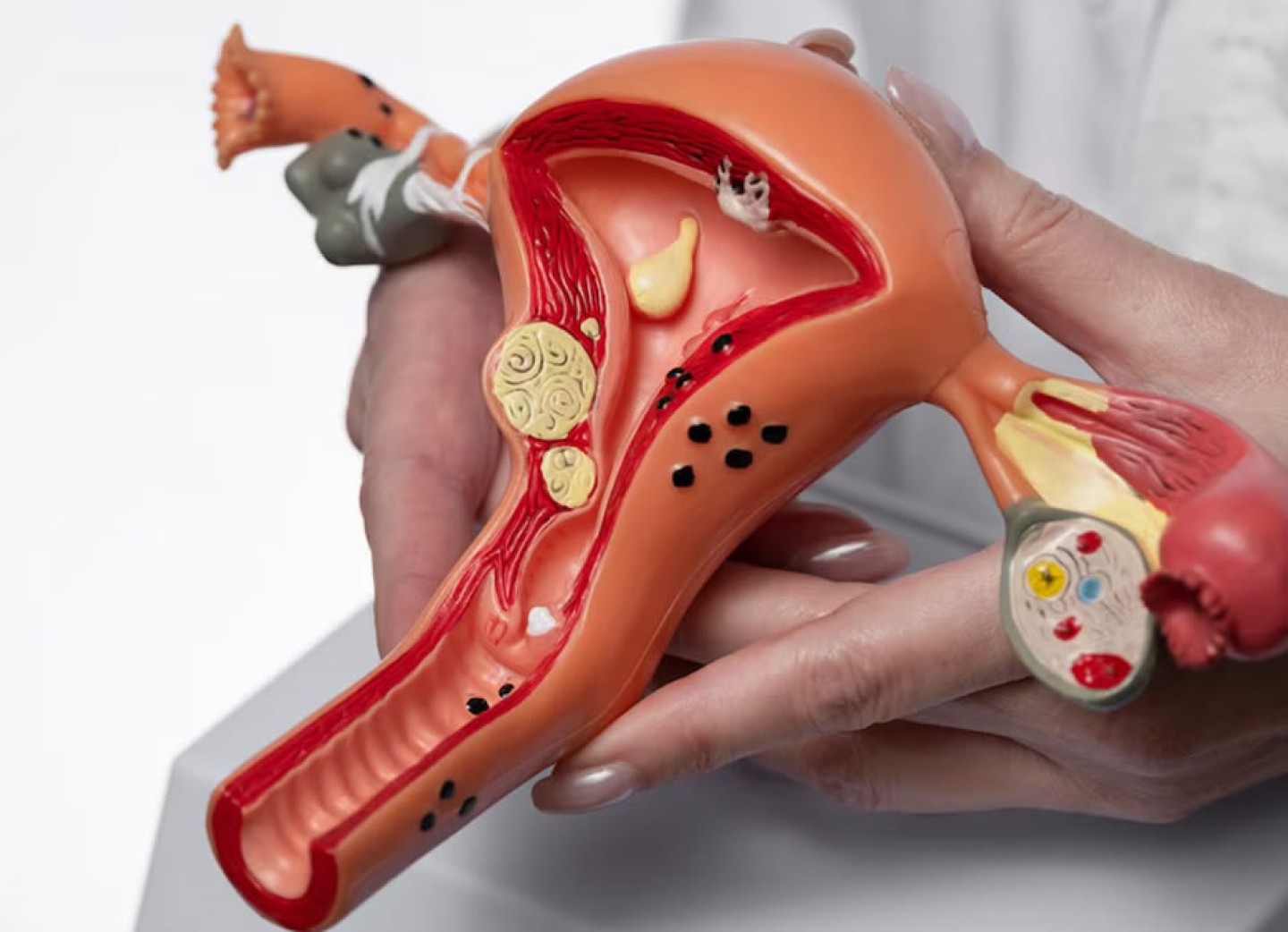
Ovarian cysts are fluid-filled sacs that develop on or within the ovarian tissue. Most cysts are functional and can disappear on their own; however, some cysts can grow or cause complications.
Main types of ovarian cysts:
- Functional cysts (follicle cyst, corpus luteum cyst)
- Dermoid cysts (teratoma)
- Endometrioma (chocolate cyst)
- Cystadenomas
- Polycystic ovary disease (PCOS)
Symptoms
- Groin pain or feeling of fullness
- Irregular menstrual cycle
- Pain during intercourse
- Bloating or feeling of pressure in the abdomen
Information
What is Myoma?
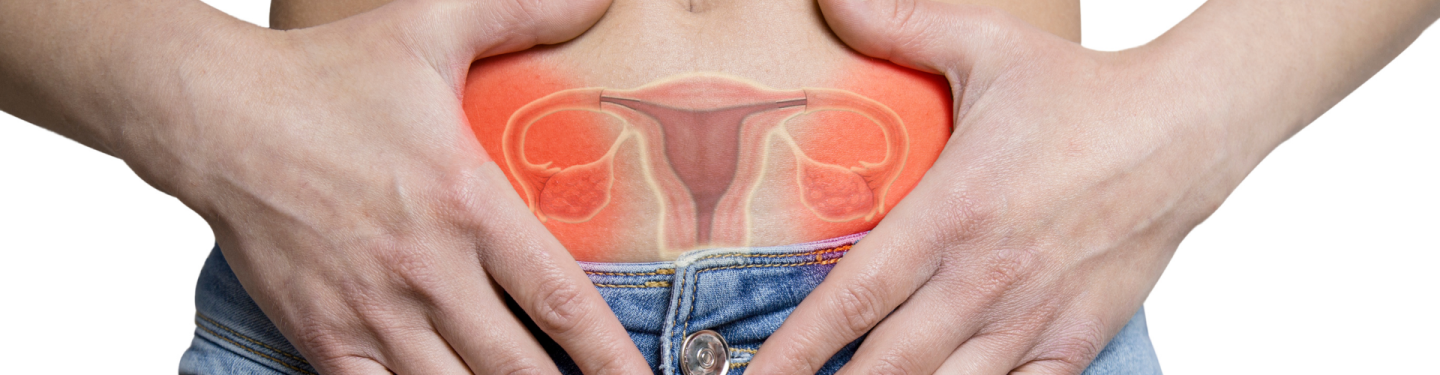
Myomas are benign tumors that develop from the uterine muscle tissue. They can cause different complaints depending on their size, number and location. It is a common condition seen in approximately 20-40% of women.
Types of myoma:
- Submucosal (close to the inner wall of the uterus)
- Intramural (in the muscle layer of the uterus)
- Subserosal (on the outer surface of the uterus)
- Cystadenomas
- Polycystic ovary disease (PCOS)
Symptoms;
- Heavy and prolonged menstrual bleeding
- Pelvic pain or feeling of pressure
- Frequent urination
- Risk of miscarriage or difficulty in giving birth during pregnancy
How Are Ovarian Cysts and Myomas Followed?
Assoc. Prof. Dr. Meral Tuğba Çimşir creates individual follow-up plans for each patient:
When is Treatment Required?
Not every ovarian cyst or myoma requires treatment. However, intervention is recommended in the following cases:

Professional Follow-up Opportunity in Alanya
Assoc. Prof. Dr. Meral Tuğba Çimşir, as an expert with years of experience in the field of gynecological and obstetric imaging, makes a difference not only in device quality but also in accurate clinical interpretation and patient information.
Our clinic is located in the center of Alanya and also serves patients from the surrounding districts of Gazipaşa, Manavgat, Serik and abroad. With regular examinations and individualized follow-up plans, we ensure that ovarian cysts and myomas are managed without affecting your health.
Regular follow-up for ovarian cysts and myomas saves lives.
Contact us for your health, let's start a conscious management process.
Contact Us!